Expert Fantasy Football Mock Draft: Recapping The Results Of A Superflex Draft
Chris Allen recaps the results of his latest industry expert fantasy football draft, including all of your favorite fantasy football analysts' favorite analysts.
I hated going to practice as a kid.
The sport didn’t matter. I’d play around with my friends and only half-listen to my coaches. My athletic talent would take over in the actual games. Essentially, I could make up for my lack of interest during practice. But then, I’d miss a shot or my pass wouldn’t be on point. I should’ve practiced more. And we should approach fantasy drafts the same way.
Mocks are our chance to apply our understanding of player value and how to build optimal rosters. They’re not just about getting the players you want. Understanding the logic path required should also take priority. I hopped in the ring with some heavy hitters earlier this month. After completing 12 rounds, I had some thoughts that you can apply to your drafts.
Expert Fantasy Football Mock Draft League Format
Drafters:
- Mike Clay, ESPN
- Nate Jahnke, PFF
- John Paulsen, 4for4
- Andy Behrens, The Deep Shot
- Andy Holloway, The Fantasy Footballers
- Ian Hartitz, Fantasy Life
- Matthew Berry, Fantasy Life
- Pat Daugherty, NBC
- Pat Fitzmaurice, FantasyPros
- Matt Harmon, Yahoo
- Jen Eakins, 4for4
Look at this crew. It’s a murderer’s row of the top analysts in the industry. One of whom is my boss. It doesn’t mean I wouldn’t take it easy on them (read: I’m hoping they’d like some players slide to me). However, the larger takeaway is what happens in drafts with other professionals.
First, to be clear, I use the term “professional” as everyone on the list does what we do as their full-time job. Yes, you could beat them all if you challenged them to play in one of your leagues. I’ve actually heard Harmon enjoys the requests (please get in touch with him on social @MattHarmon_BYB). But seriously, I didn’t use the label to assert status. It was to highlight our commonality.
A group of full-timers is no different from your draft with your friends from college or the group that comprises your league of record. We know, or at least have a sense of, how each other will draft. We’ve been reading the same reports, spouting similar analysis on our shows, and writing articles heading in the same direction. Accordingly, any ADP shifts are the mind games that happen with your gang. It’s the “I Know What You Know” situation playing out in real-time. But, as I’ve preached throughout the offseason, it’s less about the players and more about the process.
Scoring settings:
- 12 teams, Superflex
- +1 Point per First Down
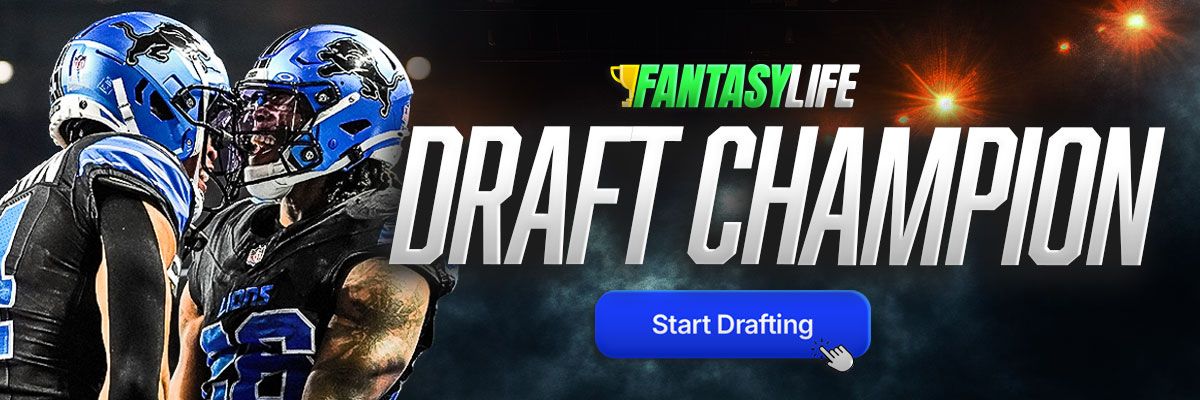
I drew the 1.06. Honestly, I didn’t mind being in the middle. As I noted regarding my approach to the sixth spot in standard redraft leagues, there’s a sense of security there. My options for the sixth-overall selection should still be strong. Plus, I can gauge positional runs or tier drops before missing out on a target. Well, at least, it’s the way it worked when I simulated all my drafts using our Draft Champion tool. Now, with some proper competition, let’s see if I practiced what I’ve preached.
The First Round of our Fantasy Football Mock Draft

Remember, this is a Superflex league. I say this not only for your benefit, but I had to remind myself when I pulled up the board for my first pick. Double-checking your league settings is always a good bet. Anyway, the spot gave me an opportunity to apply a quick thought-exercise in using our tiers and ranks.
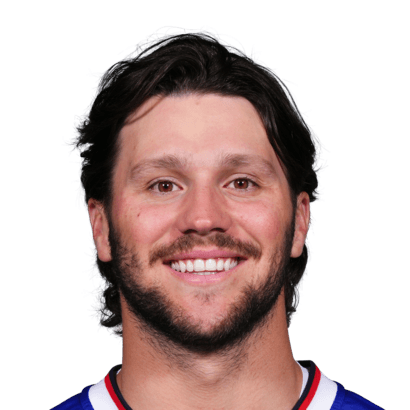
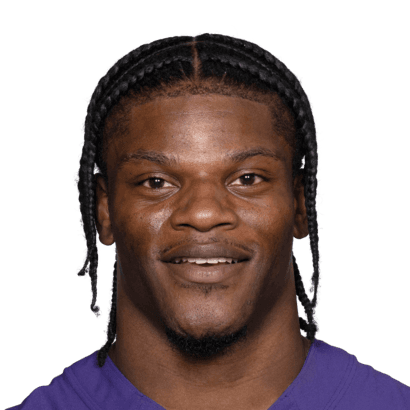
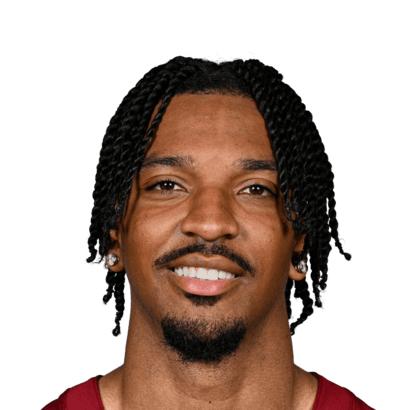
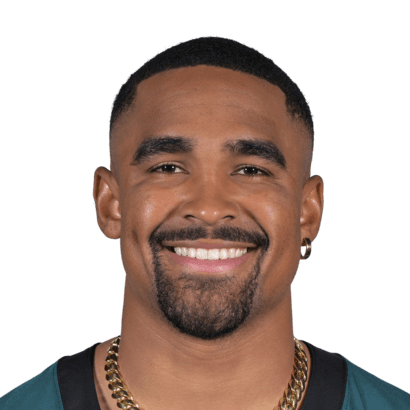
- Tier 1 QBs: Josh Allen, Lamar Jackson, Jayden Daniels, Jalen Hurts
- Tier 1 RBs: Bijan Robinson, Saquon Barkley, Jahmyr Gibbs
- Tier 1 WRs: Ja’Marr Chase, CeeDee Lamb, Justin Jefferson
By comparing the ranking team’s preferences to what was available, I could boil my choices down to three options.
- One of the top QBs
- One of the top RBs
- Any of the top WRs
Of course, this assumes you agree with how we set up the tiers. Either way, you can see how this approach simplifies your decision. I don’t need to try to compare if Hurts will have a better season than Gibbs or do any back-of-the-napkin value calculation. It comes down to which bucket I value more. In this case, I went with the QB.
The scarcity at the position for top-end outcomes drops off after Hurts, as the passers going after him don’t rush as often (or as effectively). Yes, I’d have to lower my expectations for both RB and WR. However, with the extra starting QB, we should be placing more emphasis on top-12 options so we can keep pace with the rest of the league.
The Rest of the Early Rounds
Admittedly, I waffled in the second round.
After acknowledging I needed to focus on my core positions, the allure of Brock Bowers was overpowering. To be fair, Bowers did generate the sixth-most first downs of any pass-catcher in ’24. So, the PP1D scoring quirk does work in his favor. In retrospect, either Puka Nacua or Bowers would’ve worked. Regardless, and I’ve said this before, too, your past decisions should guide your plans. Finding WR talent moved to the top of my priorities after taking the second “onesie” detour. However, as you can see, by foregoing WR and RB in the first two rounds, “making up” for those picks wasn’t easy to do.
20 QBs were off the board by the fifth round. Snagging J.J. McCarthy ensured I could pause on a QB3 until much later. But that’s another opportunity to acquire a WR sacrificed. My RB1 was Alvin Kamara, and another tier drop at RB was approaching in the sixth round. Isiah Pacheco offers the ideal floor (with a modest ceiling) to complement Kamara. And still, no receiver. Although the result didn’t match my plan, I was able to assess my roster through six rounds, identify the gaps, and draft players who best fit the holes.
Final Takeaways of the Expert Fantasy Football Draft
For transparency, here’s how I typically address the middle rounds of any draft.
- Assess roster needs.
- Address the onesies.
- Add depth.
They’re general tenets to keep me focused on process instead of names or specific players I like. Of course, I had the second bullet complete. Priority one was receivers. But not just anyone with a WR next to them. Here are the guys I snagged.
- 7.06 – Jaylen Waddle
- 8.07 – Chris Olave
- 9.06 – Deebo Samuel
- 11.06 – Christian Kirk
- 12.07 – Hollywood Brown
Contrast this list with some of the guys with similar ADPs: DeVonta Smith, Rashee Rice, Jordan Addison, or Jauan Jennings. All I had was McConkey. I needed not just starters in the sense of players I could put into the remaining WR slots, but receivers with top-24 outcomes in their range from Week 1. Essentially, I needed singles and doubles at the position instead of swinging for the fences. However, if I had made one small change in the early rounds (Bowers vs. Thomas), my roster would’ve looked much different as a result.
Join Our Newsletter
Trusted by 400,000+ fantasy football players. Get access to Fantasy Life's free award winning newsletter and tools, all in one step.
By registering or logging in, you agree to our Terms of Use and Privacy Policy.